
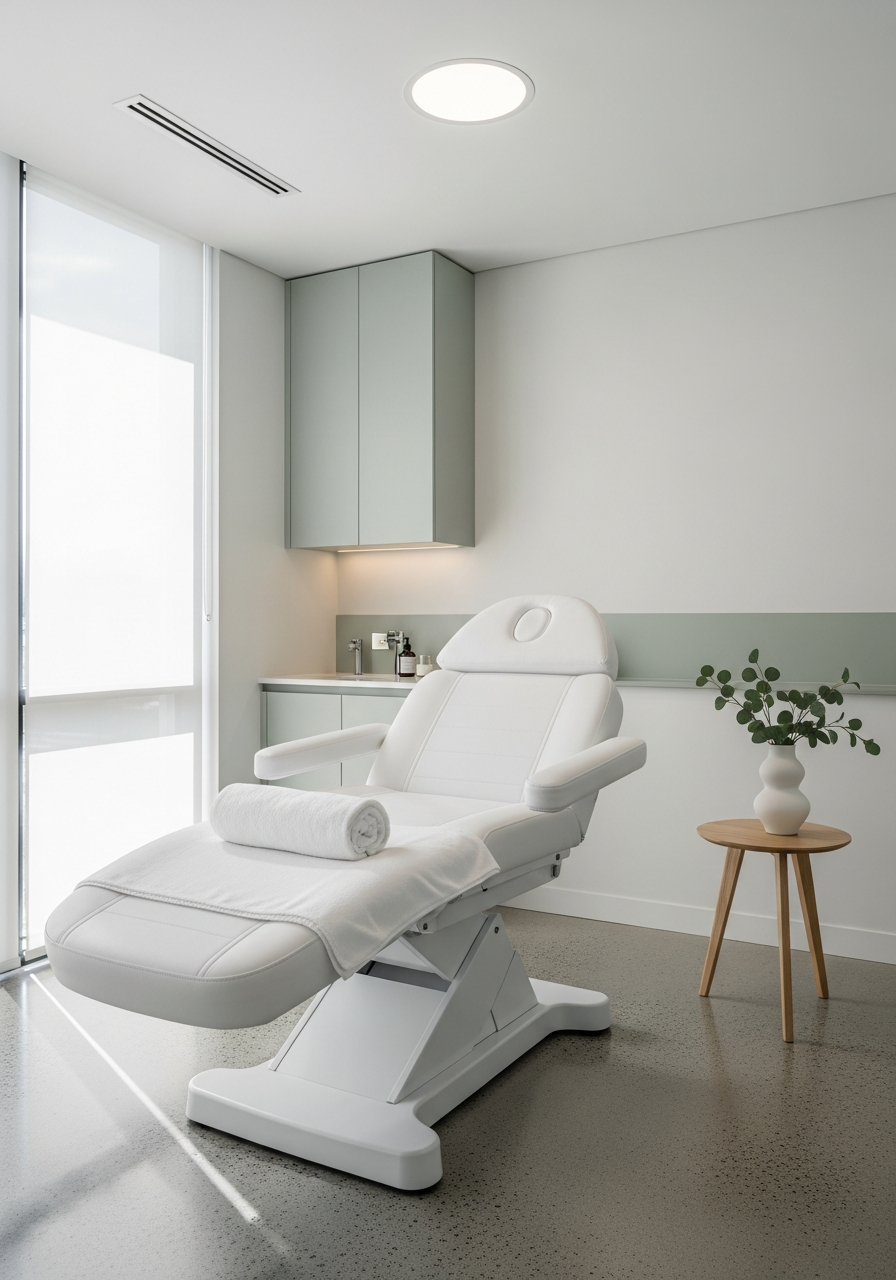
How Much Does it Cost to Start a Medspa?

Opening a med spa typically costs $250K–$1.2M depending on market and build-out. Leasehold improvements and devices are the largest pieces, followed by opening working capital. Most owners combine an SBA 7(a) loan (up to $5m) with equipment financing ($15K–$500K).
Last updated: November 16, 2026 · General guidance for informational purposes only
The honest answer to "how much does it cost to start a med spa" is that total budgets typically run $250K–$1.2M depending on market and build-out, and where you land inside that range depends on decisions you control: the size and condition of the space, how many devices you open with, whether you buy or finance them, and how many months of operating runway you hold back. This guide walks through each cost category, explains what drives it up or down, and shows you how to turn it into a quote-backed budget a lender can underwrite.
We deliberately do not publish line-item price lists here. Build-out, device, insurance and staffing costs vary so much by market and by vendor that a generic number is more likely to mislead you than help. Instead, each section tells you what to get quoted, who to ask, and which questions change the answer.
Start with the shape of your med spa, not a number
Before you collect a single quote, write down four decisions. They determine almost every cost that follows:
- Service menu at opening. Injectables-only, injectables plus one energy device, or a full menu with body contouring and laser hair removal. Each added modality brings a device, training, protocols and often a room.
- Footprint. The number of treatment rooms you need on day one, plus consult, reception, sterilization and storage.
- Space condition. Second-generation medical or dental space with plumbing in place, versus raw retail shell that needs everything.
- Ownership and oversight structure. Physician-owned, MSO model, or (where permitted) NP-owned. This drives legal costs and medical director arrangements.
Owners who define these first get comparable quotes. Owners who skip this step collect quotes for different businesses and cannot build a coherent budget.
1. Real estate and leasehold improvements
The lease
Leasing is the usual choice for a first location because it preserves capital for equipment and runway. Your costs here are the security deposit, first months of rent, any common-area charges under a triple-net lease, and broker or legal review of the lease itself.
What to get quoted: ask landlords for the full occupancy cost, not just base rent. Request the CAM estimate, the history of CAM increases, the tenant-improvement allowance, and how many months of free rent are on offer. A generous improvement allowance can shift a large share of build-out cost onto the landlord.
The build-out
Build-out is often the largest single category and the one most likely to overrun. Medical aesthetics needs handwashing sinks in treatment rooms, dedicated electrical circuits for devices, adequate HVAC for heat-generating equipment, privacy and sound control, and ADA-compliant restrooms and entries. Lasers may require specific signage, window coverings and room controls.
What to get quoted: have at least two contractors who have built medical or dental space bid from the same drawings. Ask each to separate hard costs (construction) from soft costs (architecture, engineering, permits) and to name their assumptions about existing plumbing and electrical capacity. Before you sign the lease, have a contractor walk the space; the condition of what is behind the walls is where surprises live.
Levers that reduce cost: second-generation medical space, fewer rooms at opening with a plan to add later, and design that relies on finishes and lighting rather than custom millwork.
2. Medical equipment and devices
Devices are the second major cost driver and the most flexible. You decide how many you open with and whether you buy, finance or lease them.
Choosing what to open with
Most successful openings start narrow: injectables plus one or two devices that match local demand and the skills of the team. Each added device should earn its place with a simple test: how many treatments per week do you realistically expect in year one, at what price, and does that cover the monthly payment with room to spare? Our financing calculator lets you run that test with your own figures.
New, certified pre-owned, or financed
- New from the manufacturer brings full warranty, training and service support, and the highest price.
- Certified pre-owned can lower cost meaningfully; confirm transferable warranty, service history, and that the manufacturer will support the unit.
- Financing spreads cost over the device's working life. Equipment financing typically covers $15K–$500K over 36–72 months, at rates around from ~6–18% by credit, and the device itself usually secures the loan.
What to get quoted: ask every device vendor for the all-in price including delivery, installation, training and the first year of service, plus the cost of consumables, handpieces or tips, and any per-treatment fees. Ask what the annual service contract costs after warranty. Two devices with the same sticker price can have very different five-year costs.
For device-by-device detail, see our equipment financing hub.
3. Furniture, fixtures and clinical equipment
Beyond the headline devices, every room needs treatment chairs or tables, procedure lighting, carts, magnification, sharps and biohazard disposal, a refrigerator for neurotoxins and other temperature-sensitive products with temperature logging, an autoclave or sterilization arrangement, and an emergency kit appropriate to your services. The front of house needs reception furniture, retail display if you will sell skincare, and décor consistent with your positioning.
What to get quoted: build a room-by-room list and price it from medical suppliers. Treatment chairs and procedure lights vary widely in quality; spend where clients and clinicians feel it and save on back-of-house.
4. Technology and software
A med spa runs on its booking and EMR system. Look for online booking, intake and consent forms, charting with photo storage, inventory tracking for injectables, memberships and packages, and integrated payments. You will also need a website, business phone and texting, a reputation and review tool, accounting software, and HIPAA-appropriate email and file storage.
What to get quoted: ask software vendors for pricing at your expected number of providers and locations, implementation and data-migration fees, payment-processing rates, and contract length. Request a sandbox and test the booking flow on your phone as a client would.
Mapping out your medspa startup budget?
Once you know your numbers, we can connect you with trusted, third-party lenders who specialize in med spa startups, equipment, and working capital.
Explore financing options5. Licenses, permits and legal
Expect business formation, local business licenses, certificate of occupancy, any state facility or clinic licensing, and professional licensure for each clinician. Where the corporate practice of medicine applies, structuring an MSO with a physician-owned professional entity requires careful legal drafting. You will also need a medical director agreement, standing orders and delegation protocols, and HIPAA policies.
What to get quoted: ask a healthcare attorney in your state for a fixed-fee or capped quote covering entity structure, medical director agreement, and policy templates. Our state guides outline the regulatory landscape and link to licensing boards.
6. Insurance
You will typically need professional liability (malpractice) for every clinician, general liability, property coverage for build-out and devices (lenders financing equipment usually require it), workers' compensation, cyber liability, and possibly business interruption coverage.
What to get quoted: use a broker who places med spa risk, and give them your exact service menu and device list. Premiums depend heavily on which procedures you perform and who performs them.
7. Opening inventory and supplies
Neurotoxins, fillers, skincare for treatment and retail, needles and cannulas, gloves, gauze, numbing products, and device consumables all need to be on hand at opening. Injectable manufacturers often offer account programs for new practices; ask about terms, minimums and loyalty programs.
What to plan: order to your expected first-month schedule, not your hoped-for one. Inventory ties up cash and some products expire.
8. Staffing and pre-opening payroll
Your team likely includes injectors (RN, NP or PA), aestheticians, a front-desk coordinator, and a medical director whose arrangement may be a monthly fee rather than salary. Clinicians need training on each device and product before opening, and you will usually carry payroll for several weeks before revenue arrives.
What to plan: research local compensation for each role, decide on hourly, salary or commission models, and include payroll taxes, benefits and training time in the pre-opening budget.
9. Marketing and launch
Brand identity, website, photography, a Google Business Profile, launch events and initial advertising all happen before your first client walks in. A pre-opening waitlist built through social media and partnerships is the cheapest way to fill the first weeks of the calendar. Our guide to marketing your med spa covers channels in detail.
10. Working capital and operating reserves
This is the category most often underfunded, and it is the one that determines whether a new med spa survives its ramp-up. New practices take time to build a client base; during that time rent, payroll, loan payments and inventory still come due. Lenders want to see that you have planned for this.
What to plan: build a month-by-month cash-flow projection from opening to break-even using conservative booking assumptions, then hold reserves to cover the gap plus a buffer. If the projection depends on every slot filling from week one, it is not conservative enough.
11. Contingency
Build-outs run long, permits get delayed, and devices arrive late. Hold a contingency line in your budget rather than assuming every quote will hold. Lenders view a budget with a contingency as more credible, not less.
Turning quotes into a budget
Once you have quotes, put them in a single sheet with these columns: category, vendor, quoted amount, what is included, what is excluded, and how it will be paid (cash, SBA loan, equipment financing, landlord allowance). The total should land somewhere in the typical $250K–$1.2M range; if it lands well outside, revisit your assumptions about footprint, device count or space condition.
| Category | Who quotes it | Common financing source |
|---|---|---|
| Lease and build-out | Landlord, contractor, architect | SBA 7(a), landlord allowance |
| Devices | Manufacturers, certified resellers | Equipment financing |
| FF&E and clinical equipment | Medical suppliers | SBA 7(a) or equipment financing |
| Software and technology | Software vendors | Operating budget |
| Legal, licensing, insurance | Attorney, broker, state agencies | Owner equity or SBA 7(a) |
| Inventory and supplies | Manufacturers, distributors | Working capital |
| Payroll, marketing, reserves | Your projection | SBA 7(a) working capital, owner equity |
Financing your med spa startup
Most owners combine sources rather than relying on one loan:
- SBA 7(a) loans run up to $5m with terms of 10 yrs working capital / equipment; 25 yrs real estate. They can cover build-out, equipment, and working capital in one structure. Lenders typically look for 680+ credit, 1.25x debt-service coverage, and 10–20% down. See the SBA guide.
- Equipment financing ($15K–$500K, 36–72 months) keeps device purchases off your SBA loan and lets each device secure its own financing.
- Owner equity covers the down payment and signals commitment to lenders.
- Landlord tenant-improvement allowance reduces the build-out you must finance yourself.
Startup lenders weigh personal credit, clinical and business experience, and the quality of your plan more heavily than they would for an established practice, because there is no operating history to review. Read how to qualify for a med spa loan for the full document list, and see startup loans for program detail.
Ways to lower startup cost without cutting corners
- Choose second-generation medical space where plumbing and electrical already fit clinical use.
- Negotiate the lease for a larger improvement allowance and free-rent months that cover your build-out period.
- Open with fewer devices and add more once real demand data supports them.
- Consider certified pre-owned devices with manufacturer support.
- Finance devices separately so a single large loan does not carry everything.
- Build a waitlist before opening so your marketing budget fills the calendar faster.
- Get every quote in writing with inclusions and exclusions, and compare like with like.
Revenue and break-even: plan with your own numbers
We do not publish industry revenue, margin or payback figures because they vary too much by market, menu and team to be useful as benchmarks. Instead, build a bottom-up projection: number of providers, realistic bookings per provider per week in each month of ramp-up, average ticket based on your actual price list, and rebooking rates you can defend. Then subtract rent, payroll, product cost, loan payments and overhead. That model is what lenders will ask for, and it is the honest way to know whether your budget works.
A practical sequence
- Define your service menu, footprint and structure.
- Talk to a healthcare attorney about structure in your state.
- Collect written quotes for space, build-out, devices, insurance and software.
- Build the budget sheet and month-by-month cash-flow projection.
- Submit a financing request and compare offers before signing a lease.
- Sign the lease, build out, train the team and launch.
Final thoughts
Starting a med spa takes significant capital. The owners who open well are the ones who replace guesses with quotes, hold real reserves for the ramp-up, and match each cost to the right kind of financing. Do that work up front and the budget becomes a tool you and your lender can trust.
This guide is for informational purposes only and is not financial, legal or tax advice. Product ranges reflect typical partner-lender terms as of November 2026 and vary by credit profile. MedSpa Lending is not a lender.
Mapping out your medspa startup budget?
Once you know your numbers, we can connect you with trusted, third-party lenders who specialize in med spa startups, equipment, and working capital.
Explore financing optionsNext step
Get matched with lenders who fund med spas
One request, reviewed by a person, then routed to lending partners whose programs fit your practice. No credit inquiry to submit.
- We review your request, then match it to partner lenders
- Lender network covers term, SBA, equipment, line of credit and working capital
- No credit inquiry is triggered by submitting
- Free to you; lenders may compensate us if you fund
Start your request
No credit inquiry to submit. About two minutes.
- 1Your financing
- 2
- 3
MedSpa Lending is a referral service, not a lender. Submitting does not trigger a credit inquiry. Lenders make all credit decisions and may review credit during their own underwriting. Approval is not guaranteed.